Allura Red (E129): The Dye That's Banned In Europe But Probably In Your Pantry
TL;DR
Allura Red AC (also known as Red 40 or E129) is a petroleum-based dye and the single most widely used artificial food color in the United States. In the European Union, it requires a mandatory warning label due to its link to hyperactivity in children, and it is banned entirely in Switzerland and the UK for children's foods. Kale rates it as Avoid (Red).
What is Allura Red (E129)?
Allura Red is a synthetic azo dye derived from petroleum distillates or coal tars. Food manufacturers love it because it produces a vibrant, stable red color that doesn't fade, unlike natural beet or berry extracts.
On ingredient labels, you'll see it as Red 40, Red 40 Lake, or E129.
Where is it found?
It's nearly impossible to avoid if you eat processed foods, even ones that aren't red!
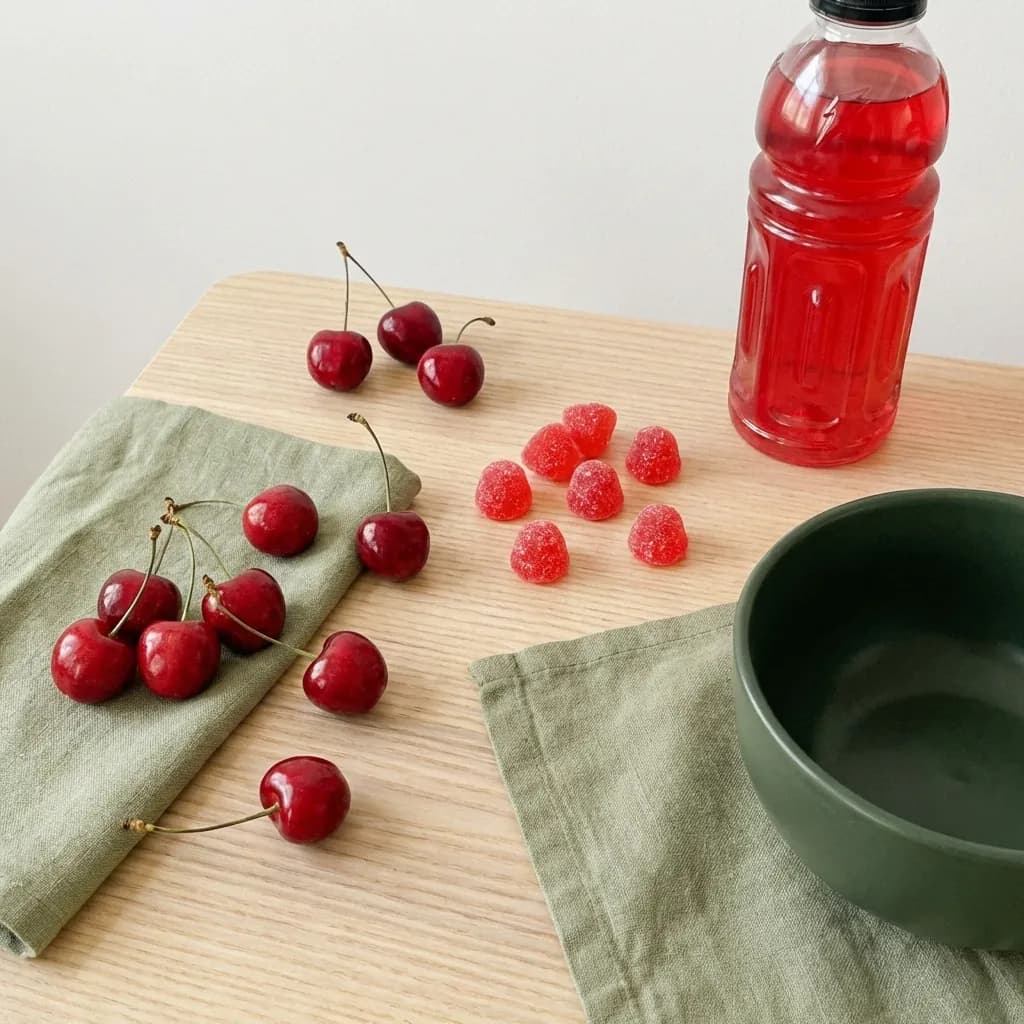
- Beverages: Cherry sodas, sports drinks, and fruit punches.
- Candy: Gummy bears, licorice, hard candies, and jelly beans.
- Dairy: Strawberry flavored yogurts and milkshakes.
- Baked Goods: Red velvet cake, frostings, and pie fillings.
- Cereal: Fruit-flavored rings and puffs.
- Medicine: Cough syrups and liquid pain relievers for children.
- Surprise Sources: It's often used in chocolate pudding (to give a richer brown), pickles, and even BBQ chips.
Health Concerns
1. Behavioral Issues in Children
Like Tartrazine and Sunset Yellow, Red 40 was implicated in the "Southampton Study" in the UK, which found a link between artificial dyes and increased hyperactivity in children.
This led to the EU warning label: "May have an adverse effect on activity and attention in children."
Many parents report significant improvements in their children's behavior after removing Red 40 from their diet.
2. Contamination with Carcinogens
Red 40 can contain trace amounts of p-Cresidine and Benzidine, which are known human carcinogens. While the FDA sets limits on these contaminants, critics argue that the cumulative effect of consuming them over a lifetime, especially for children who eat a lot of processed foods, is an unnecessary risk.
3. Allergic Reactions
It is a common trigger for hypersensitivity reactions, causing hives, swelling, and worsening asthma symptoms in sensitive individuals.
Kale's Verdict: Avoid (Red)
Kale rates E129 (Allura Red / Red 40) as Avoid (Red).
There is absolutely no health benefit to coloring a sports drink neon red. The risks to children's behavior and the potential long-term effects of consuming petroleum-based dyes make this an easy additive to skip.
Nature provides safe, vibrant red colors from beets, strawberries, elderberries, and purple carrots. Manufacturers just choose Red 40 because it's cheaper.
How to Avoid It
- Be a Label Detective: Scan for "Red 40," "Red 40 Lake," or "E129."
- Scan with Kale: We'll spot it instantly, even when it's hiding in brown chocolate pudding.
- Choose Natural Reds: Look for products colored with "Beet Juice," "Elderberry Concentrate," or "Vegetable Juice."
- Watch Out for Medicines: Children's medicine is a major source. Ask your pharmacist for dye-free versions.
Final Thoughts
The fact that Red 40 is banned or heavily restricted in countries with strict food safety laws tells you a lot. By removing this one additive from your family's diet, you're cutting out a major source of synthetic chemicals and potentially improving focus and behavior.
Is Red 40 hiding in your pantry? Download Kale and scan your snacks to find out.
Make healthier food choices
Download Kale to scan barcodes and understand what's in your food.
Download for iOS