Aluminum (E173): Why Are We Eating Metal?
TL;DR
Aluminum (E173) is literally finely powdered aluminum metal, used as a food coloring to give a silver metallic shine to cake decorations and dragées. It is a suspected neurotoxin that can accumulate in the body and brain. While approved for specific uses in the EU, it is generally considered unsafe for regular consumption. Kale rates it as Avoid (Red).
What is Aluminum (E173)?
It is exactly what it sounds like: elemental aluminum. In food processing, it is used in powder or thin sheet form to coat sweets, giving them a shiny, metallic silver appearance.
Where is it found?
It is almost exclusively found in decorative confectionery:
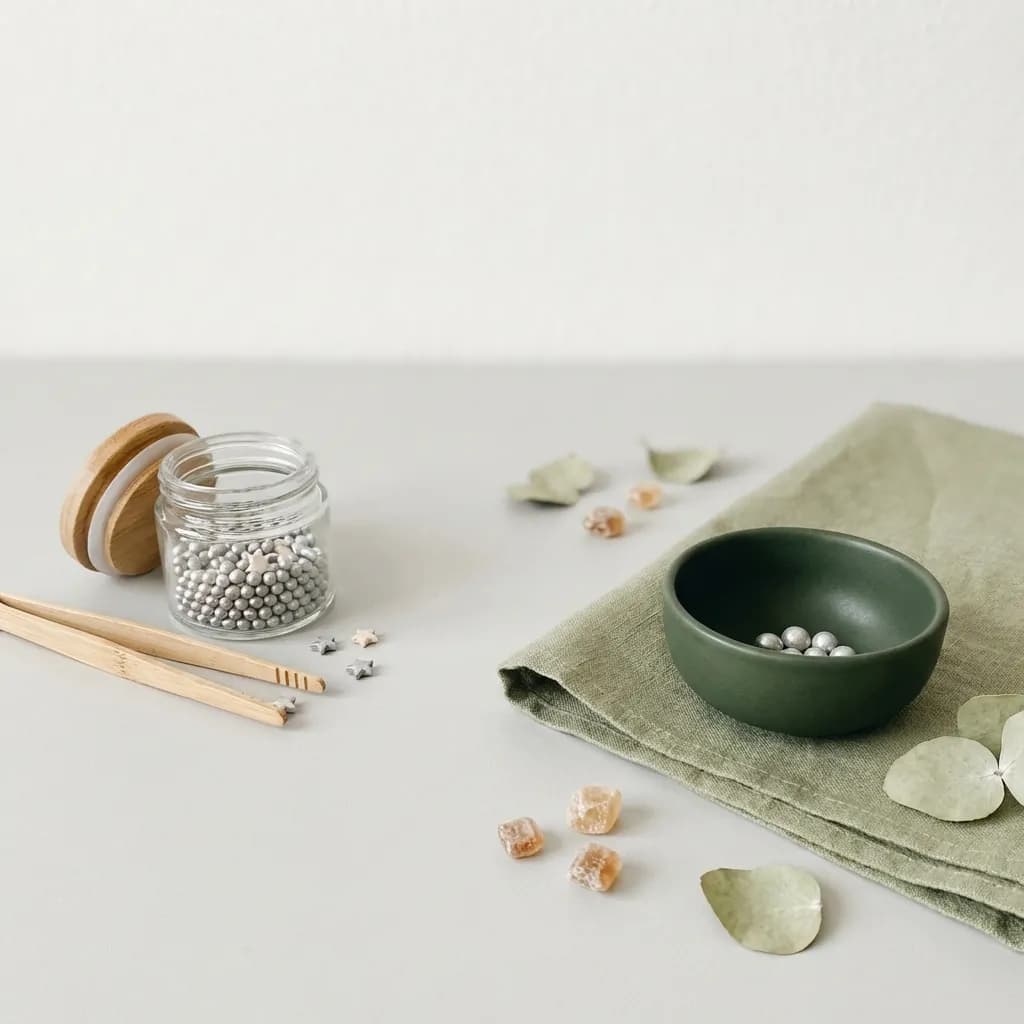
- Silver Pills/Dragées: The hard, silver balls used to decorate cupcakes and wedding cakes.
- Edible Silver Leaf: Used on high-end chocolates and Indian sweets (Vark).
- ** Cake Sprinkles:** Metallic silver stars and shapes.
Health Concerns
1. Neurotoxicity
Aluminum has no biological function in the human body, so we don't need it. The main concern is its potential link to neurodegenerative diseases, particularly Alzheimer's disease. While the exact relationship is still debated in the scientific community, aluminum is known to be neurotoxic in high doses and can cross the blood-brain barrier.
2. Bioaccumulation
Unlike some toxins that the body flushes out quickly, aluminum can accumulate in tissues over bones, liver, and the brain over a lifetime. This "body burden" is why health agencies recommend minimizing exposure from all sources (antiperspirants, cookware, and especially direct ingestion in food).
3. Bone Health
High levels of aluminum can interfere with the metabolism of calcium and phosphate, potentially weakening bones and contributing to conditions like osteoporosis.
Kale's Verdict: Avoid (Red)
Kale rates E173 (Aluminum) as Avoid (Red).
Eating metal for the sake of a pretty cupcake is not a rational trade-off. While a single silver sprinkle won't hurt you, we believe that neurotoxic metals have no place in the food supply, especially when there are pearlescent mineral pigments (like mica-based E171 alternatives) that can achieve a similar shiny effect without the aluminum risk.
How to Avoid It
- Check Your Sprinkles: If they are shiny silver, check the label for "Aluminum," "E173," or "Metallic Silver."
- Scan with Kale: We identify E173 instantly.
- Use Pearl Dust instead of Metal: Look for "luster dust" or sprinkles colored with pearlescent pigments (often titanium dioxide or mica based) rather than actual aluminum metal.
Final Thoughts
It's one thing to cook in aluminum foil; it's another thing to eat it. We recommend leaving the heavy metals to the music industry, not your dessert plate.
Is that silver topping safe to eat? Download Kale and verify before you bite.
Make healthier food choices
Download Kale to scan barcodes and understand what's in your food.
Download for iOS