BHA (E320): The Preservative That Might Be Preserving More Than Just Freshness
TL;DR
BHA (Butylated Hydroxyanisole, or E320) is a synthetic antioxidant used to keep fats in foods like chips and cereals from going rancid. While FDA-approved, the National Institutes of Health (NIH) classifies it as "reasonably anticipated to be a human carcinogen." Kale rates BHA as Avoid (Red) due to these cancer concerns and its potential to disrupt hormones.
What is BHA (E320)?
BHA stands for Butylated Hydroxyanisole. It's a waxy solid that acts as a synthetic antioxidant.
That sounds like a good thing, right? We love antioxidants in blueberries! But in this case, "antioxidant" just means it prevents oxidation, the chemical reaction that makes fats and oils turn rancid and smell bad.
Food manufacturers love it because it's cheap, heat-stable (so it survives baking and frying), and keeps products shelf-stable for months or years.
Where is it found?
BHA is fat-soluble, so you'll find it primarily in fatty, shelf-stable processed foods.
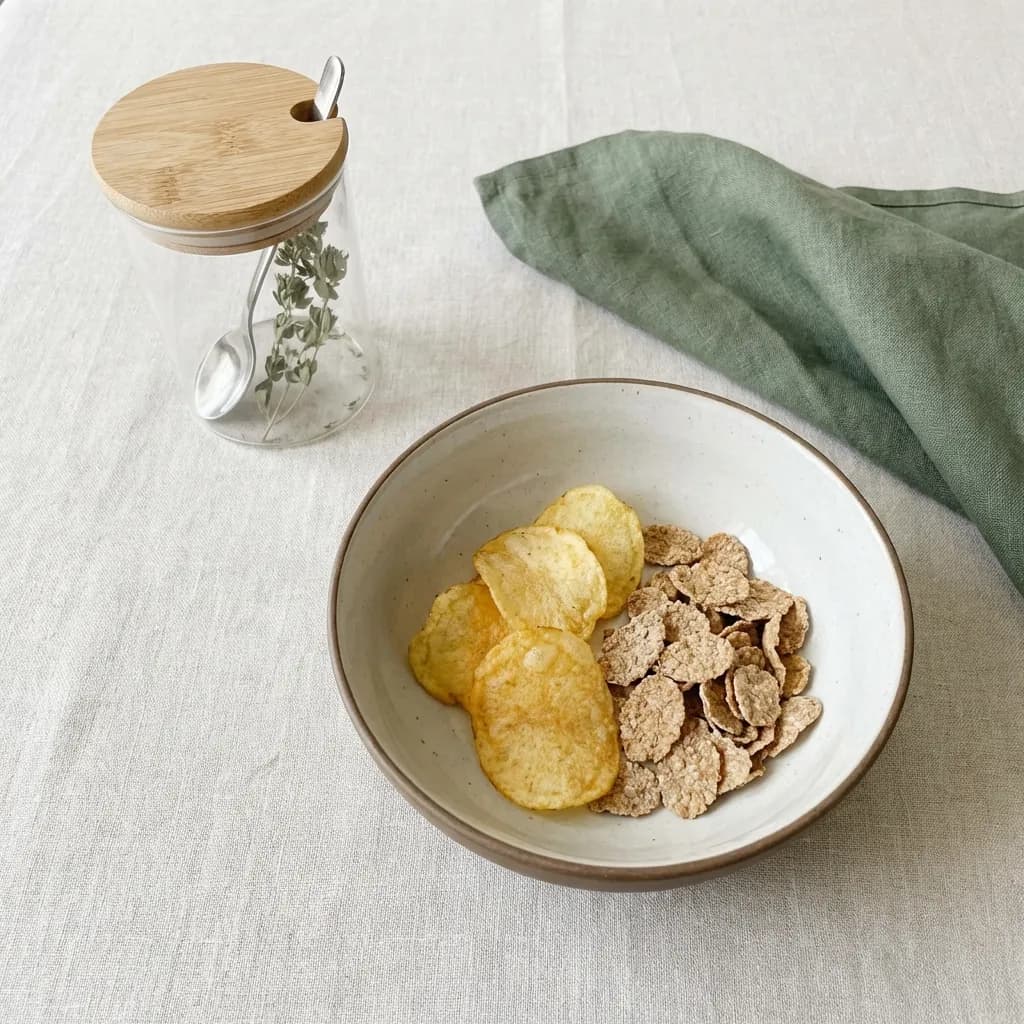
- Snack Foods: Potato chips, corn chips, and popcorn.
- Breakfast Cereals: Often sprayed on the package liner to keep the cereal fresh.
- Baked Goods: Cookies, crackers, and pastries.
- Chewing Gum: Used to preserve the gum base.
- Fats & Oils: Lard, shortening, and butter.
- Non-Food Items: Surprisingly, it's also common in cosmetics, lipsticks, and pet food.
Health Concerns: Why the Worry?
BHA is a controversial additive with a growing body of concerning research.
1. Carcinogenicity (Cancer Risk)
This is the big one. The U.S. National Toxicology Program (part of the NIH) lists BHA as "reasonably anticipated to be a human carcinogen." This classification is based on consistent evidence that BHA causes tumors in animals (rats, mice, and hamsters) in their "forestomachs."
While humans don't have a forestomach, the fact that it reliably causes tumors in mammals is a major red flag. The state of California also lists BHA as a carcinogen under Proposition 65.
2. Endocrine Disruption
Some studies suggest BHA acts as an endocrine disruptor, meaning it can mimic or interfere with your body's hormones. Specifically, it may affect estrogen levels, which could have implications for reproductive health and development.
3. The Regulatory Double Standard
It's worth noting that BHA is banned or severely restricted in the European Union, Japan, and other countries for use in infant foods and certain other categories. The US FDA, however, still considers it "GRAS" (Generally Recognized As Safe), largely based on reviews from decades ago.
Kale's Verdict: Avoid (Red)
Due to the classification by the NIH as a probable carcinogen and the availability of safer alternatives, Kale rates E320 (BHA) as Avoid (Red).
There is strictly no nutritional need for this chemical. Safer, natural preservatives like Vitamin E (Mixed Tocopherols) or Rosemary Extract can do the same job without the cancer risk.
How to Avoid It
- Read the Fine Print: Look for "BHA" or "Butylated Hydroxyanisole" at the very end of the ingredients list. It's often hiding under "Preservatives."
- Scan with Kale: Our app instantly flags E320/BHA in red, so you don't have to squint at tiny labels.
- Choose "No Preservatives" Snacks: Many modern brands use Vitamin E (Tocopherols) or simply sea salt to preserve freshness.
- Check Your Gum: Chewing gum is a sneaky source of BHA. Look for brands that specifically say "Aspartame-free" and "Preservative-free."
Final Thoughts
BHA is a relic of an older era of food processing where shelf life was prioritized above all else. Today, we know better. With plenty of safe, natural alternatives available, there's no reason to risk your health for a bag of chips that lasts until 2028.
Unsure if your favorite cereal contains BHA? Download Kale and find out in seconds.
Make healthier food choices
Download Kale to scan barcodes and understand what's in your food.
Download for iOS