MSG (E621): The Most Misunderstood Ingredient in History?
TL;DR
Monosodium Glutamate (MSG or E621) is potentially the most controversial food additive in existence. It is the pure salt form of glutamate, an amino acid that creates the savory "umami" taste. While the FDA and other health agencies deem it safe for the general population, some people report sensitivity symptoms like headaches and nausea. Kale rates it as Caution (Orange), not because it's toxic, but because it's a common trigger for sensitive individuals.
What is MSG (E621)?
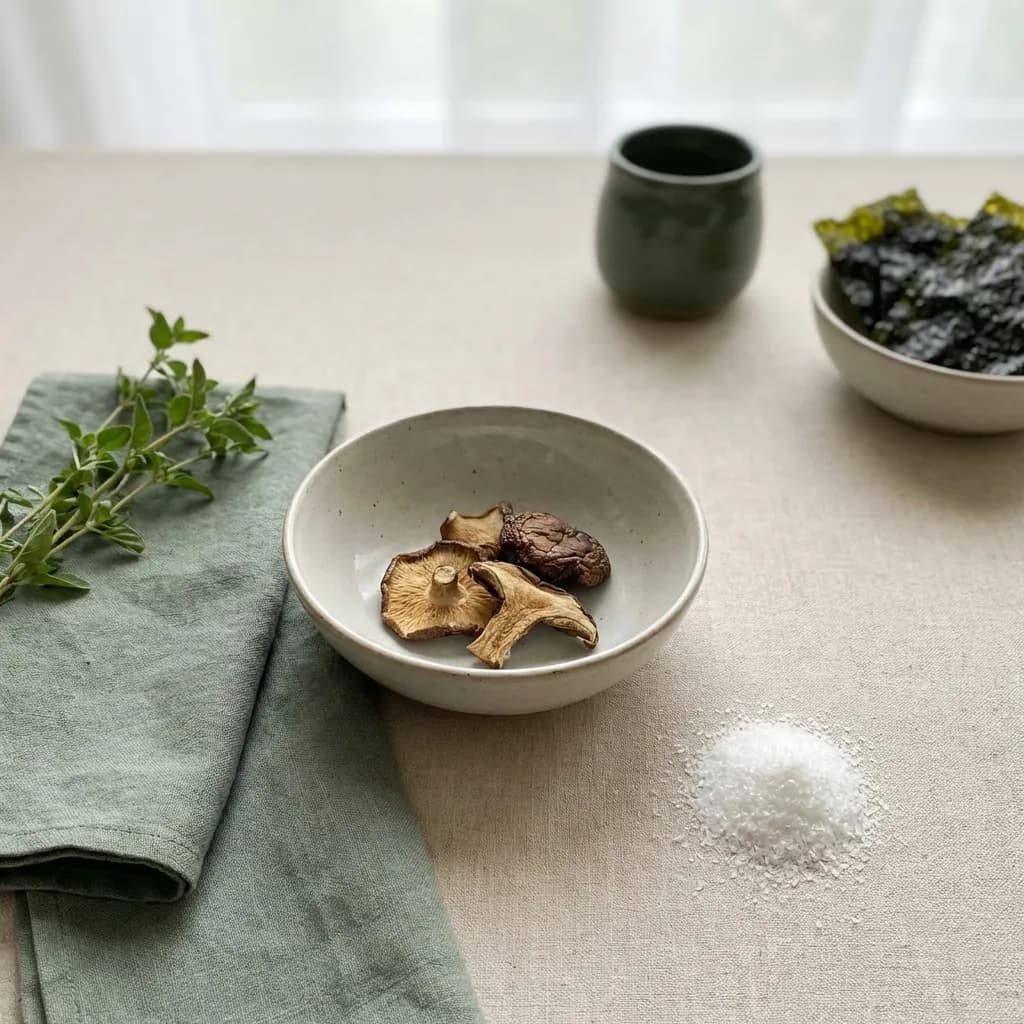
Monosodium Glutamate is the sodium salt of glutamic acid, one of the most abundant amino acids in nature. Glutamate is what gives foods like parmesan cheese, tomatoes, mushrooms, and soy sauce their deep, savory flavor.
MSG was first isolated in 1908 by a Japanese chemist who wanted to capture the savory taste of kombu (kelp) broth. Physically, it looks like white crystal salt.
Where is it found?
It is used to boost the savoriness of processed foods.
- Savory Snacks: Flavored chips (Doritos, Pringles), crackers, and pretzels.
- Soups & Broths: Canned soups, bouillon cubes, and instant ramen packets.
- Processed Meats: Sausages, hot dogs, and jerky.
- Fast Food: Fried chicken, burgers, and dipping sauces.
- Seasoning Blends: Taco seasoning, ranch dressing mix, and "flavor enhancers."
Health Concerns: Fact vs. Fiction
1. "Chinese Restaurant Syndrome"
In the 1960s, a report described symptoms like numbness, weakness, and heart palpitations after eating American-Chinese food. This triggered a decades-long stigma against MSG. However, decades of double-blind studies have failed to consistently prove that MSG causes these symptoms in the general population when consumed with food.
2. Glutamate Sensitivity
While it may not be a true "allergy," a small percentage of people do appear to be sensitive to large doses of MSG, experiencing headaches or mild nausea. Since glutamate is an excitatory neurotransmitter, some theories suggest that massive doses could overstimulate nerve cells, but this is debated.
3. The "Clean Label" Trick
Because "MSG" has such a bad reputation, manufacturers often hide free glutamates under other names. Ingredients like Hydrolyzed Vegetable Protein, Autolyzed Yeast Extract, and Soy Protein Isolate are chemically very similar to MSG and contain free glutamate, even if the label says "No MSG Added."
Kale's Verdict: Caution (Orange)
Kale rates E621 (MSG) as Caution (Orange).
We don't rate it Red because, biologically, the glutamate in MSG is indistinguishable from the glutamate in a tomato. For the vast majority of people, it is safe.
However, we rate it Orange because:
- It is often a marker of highly processed, low-quality food.
- Some users genuinely feel unwell after consuming it.
- It creates "hyper-palatability," tricking your brain into overeating junk food.
How to Avoid It
- Check for E621: Look for "Monosodium Glutamate" on the label.
- Scan with Kale: We'll flag it as "Caution" so you can decide if it works for you.
- Watch for Hidden Names: Be aware that "Yeast Extract" and "Hydrolyzed Protein" act just like MSG.
- Embrace Natural Umami: Get your savory fix from whole foods like mushrooms, aged cheese, tomatoes, and anchovies.
Final Thoughts
MSG isn't the poison it was made out to be in the 90s, but it's not a health food either. It's a tool used to make cheap food taste expensive. If you feel fine after eating it, enjoying it in moderation is likely okay. But if you're prone to headaches or trying to eat less processed food, it's best to leave it on the shelf.
Curious if your "No MSG" soup is actually full of hidden glutamates? Download Kale and see the truth.
Make healthier food choices
Download Kale to scan barcodes and understand what's in your food.
Download for iOS