Palm Oil: Why It's Everywhere and Why That's a Problem
TL;DR
Palm oil is the most widely used vegetable oil on the planet, found in everything from Nutella to shampoo. While not toxic like trans fats, it is high in saturated fat (50%) which can negatively impact heart health. The bigger issue is its massive environmental cost, driving deforestation and habitat loss. Kale rates it as Caution (Orange).
What is Palm Oil?
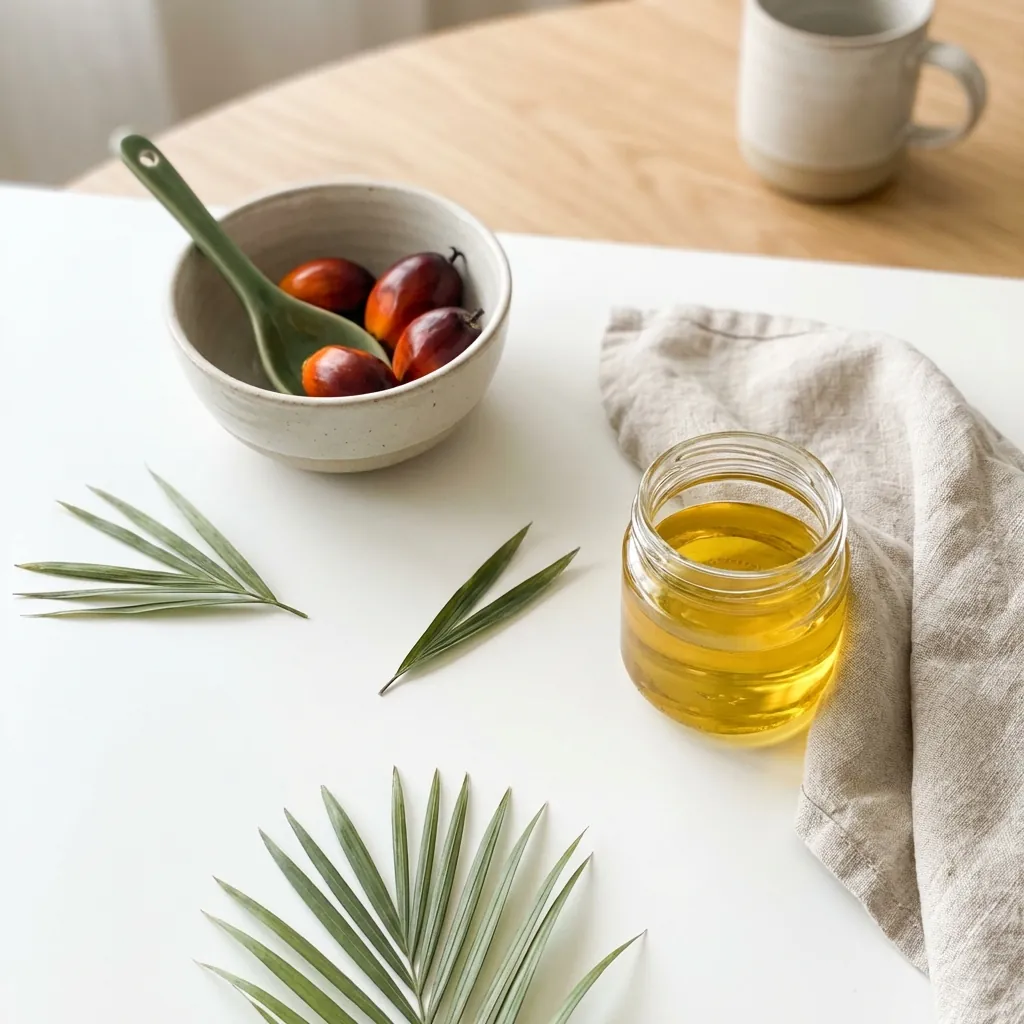
It is an edible vegetable oil derived from the reddish pulp of the fruit of the oil palms. It is popular because it is incredibly efficient to grow (producing more oil per acre than any other crop) and it is semi-solid at room temperature, making it a perfect cheap alternative to butter or hydrogenated oils (trans fats).
Where is it found?
It is estimated to be in 50% of all packaged products in the supermarket.
- Nut Butters: To prevent oil separation (so you don't have to stir).
- Cookies & Baked Goods: To give them a soft, buttery texture.
- Instant Noodles: Fried in palm oil.
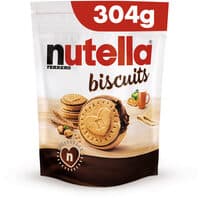
- Chocolate Spreads: Like Nutella.
- Soap & Shampoo: Most foaming agents (Sodium Lauryl Sulfate) are derived from it.
Health Concerns
1. High Saturated Fat
Palm oil is roughly 50% saturated fat. While better than heavily processed trans fats, it is still significantly less heart-healthy than olive oil, avocado oil, or canola oil. The American Heart Association advises limiting saturated fat intake to reduce the risk of heart disease.
2. "Oxidized" Oil
In processed foods, palm oil is often oxidized (heated to high temperatures), which can damage its nutritional profile and potentially create harmful byproducts similar to those found in other refined seed oils.
Environmental Concerns
Deforestation & Habitat Loss
This is the primary reason many people avoid it. The demand for palm oil has led to massive deforestation in Southeast Asia (Indonesia and Malaysia), destroying the habitats of endangered species like orangutans, tigers, and rhinos.
"Sustainable" Palm Oil?
The RSPO (Roundtable on Sustainable Palm Oil) certifies "sustainable" palm oil, but critics argue that enforcement is weak and loopholes exist. However, buying RSPO-certified products is better than conventional ones.
Kale's Verdict: Caution (Orange)
Kale rates Palm Oil as Caution (Orange).
From a pure health perspective, it's not "poison," but it's a cheap, nutrient-poor filler fat high in saturated fatty acids. From an ethical perspective, it's a major driver of environmental destruction.
We flag it so you can make an informed choice about what you support with your wallet and what you put in your body.
How to Avoid It
- Read the Label: Look for "Palm Oil," "Palm Kernel Oil," or "Palmitate."
- Stir Your Peanut Butter: Buy natural peanut butter (just peanuts + salt). It separates, but simply stirring it is a small price to pay to avoid filler oils.
- Choose Butter or Olive Oil: For cooking, opt for less processed fats.
- Look for the RSPO Label: If you must buy it, look for the "Certified Sustainable Palm Oil" logo.
Final Thoughts
Palm oil is a miracle of efficiency for corporations, but a burden for the planet and a mediocre choice for your heart. You can do better.
Is your snack destroying the rainforest? Download Kale and scan to see.
Make healthier food choices
Download Kale to scan barcodes and understand what's in your food.
Download for iOS