Stevia: The Zero-Calorie Sweetener That Actually Works?
TL;DR
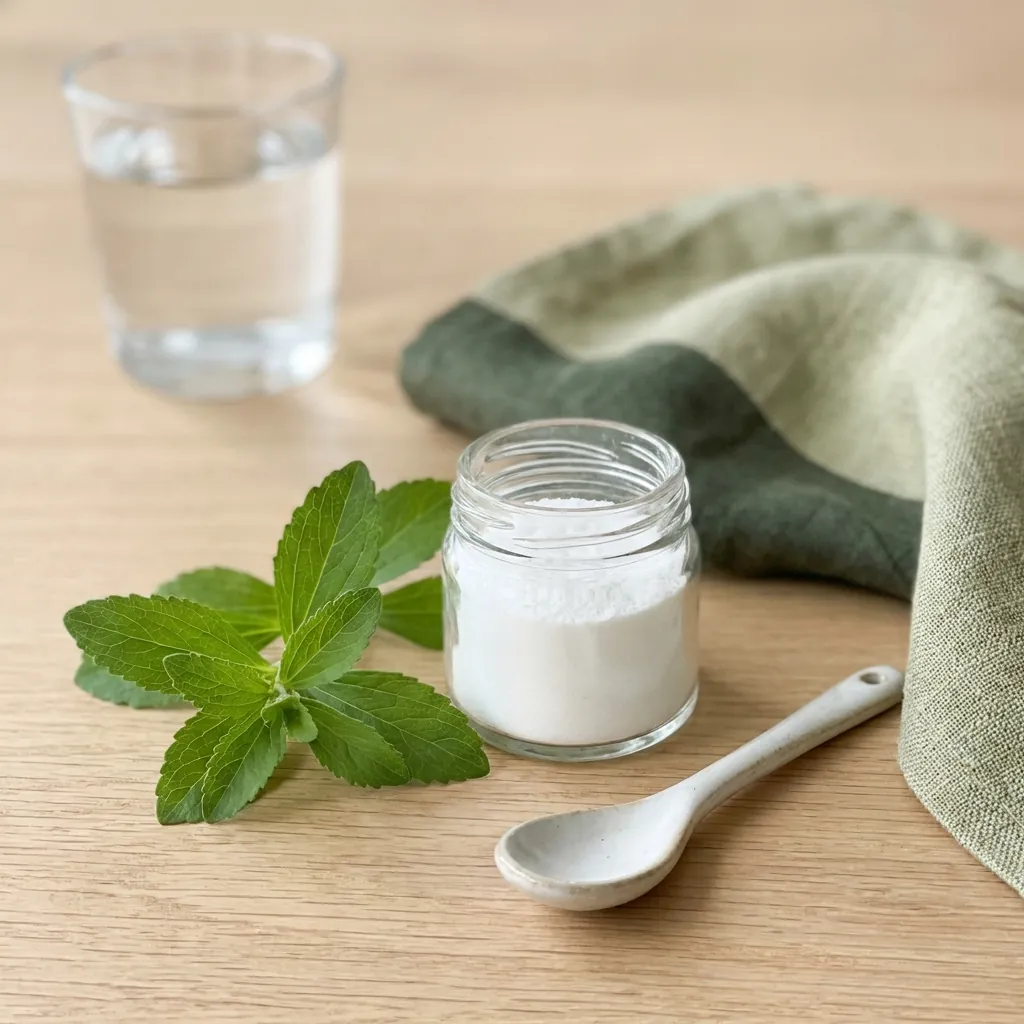
Stevia is a natural, zero-calorie sweetener derived from the leaves of the Stevia rebaudiana plant. Unlike artificial sweeteners (like aspartame), it is not synthetic. It does not raise blood sugar levels, making it safe for diabetics and those on keto diets. Kale rates it as Safe (Green).
What is Stevia?
It comes from a leafy green plant native to South America, where it has been used for hundreds of years to sweeten yerba mate/tea. The sweet compounds (steviol glycosides) are extracted from the leaves. It is 200-300 times sweeter than sugar, so a tiny pinch goes a long way.
Where is it found?
It's exploding in popularity as brands try to lower sugar counts without using "chemical" sweeteners.
- "Zero Sugar" Sodas: Zevia and other natural soda brands.
- Protein Powders: Often the sweetener of choice for clean-label brands.
- Yogurts: Used in "light" or "keto" versions.
- Tabletop Sweeteners: Packets like Truvia or Stevia in the Raw (note: these often contain fillers like erythritol).
Health Benefits
1. Zero Glycemic Impact
Stevia passes through the body without breaking down into glucose. This means it has zero effect on insulin or blood sugar, helping to prevent the energy crashes associated with regular sugar.
2. Blood Pressure
Some studies suggest that stevioside (one of the compounds in stevia) may help lower high blood pressure, though more research is needed to confirm this as a therapeutic benefit.
3. Dental Health
Unlike sugar, stevia does not feed the bacteria in your mouth that cause cavities.
The "Aftertaste" Issue
The main complaint about stevia is a slight metallic or licorice-like aftertaste. Newer extraction methods (like Reb M) isolate the best-tasting parts of the leaf, significantly improving the flavor profile compared to products from 5 years ago.
Kale's Verdict: Safe (Green)
Kale rates Stevia as Safe (Green).
It is one of the few sweeteners that we give a green light. It allows you to enjoy sweet foods without the metabolic damage of sugar or the potential risks of artificial chemicals like Aspartame or Sucralose.
How to Avoid the "Fillers"
- Read the Label: Many "Stevia" packets are actually 99% Erythritol or Dextrose. Look for "Pure Stevia Extract" or "Organic Stevia."
- Liquid Drops: Liquid stevia drops are often purer and easier to dose into coffee or tea without gritty fillers.
- Check for "Natural Flavors": Some brands hide other additives under this term.
Final Thoughts
If you have a sweet tooth but care about your insulin levels, Stevia is currently one of the best tools in your arsenal. It's not magic, but it's a leaf that tastes like candy. That's pretty close.
Is your "natural" sweetener actually natural? Download Kale to check the ingredients.
Make healthier food choices
Download Kale to scan barcodes and understand what's in your food.
Download for iOS